Black Kuhli Loach: Breeding and Care Guide (2026)
Black kuhli loach breeding guide: tank setup, water parameters, sexing, spawning, egg care, and fry raising. Compare golden and albino varieties. Updated 2026.
black kuhli loach: Black kuhli loach breeding guide: tank setup, water parameters, sexing, spawning, egg care, and fry raising. Compare golden and albino varieties. Updated 2026.
Related reading: Discover our full guide on How Long Do Betta Fish Live? Lifespan and Care Guide 2026.
Updated: 2026
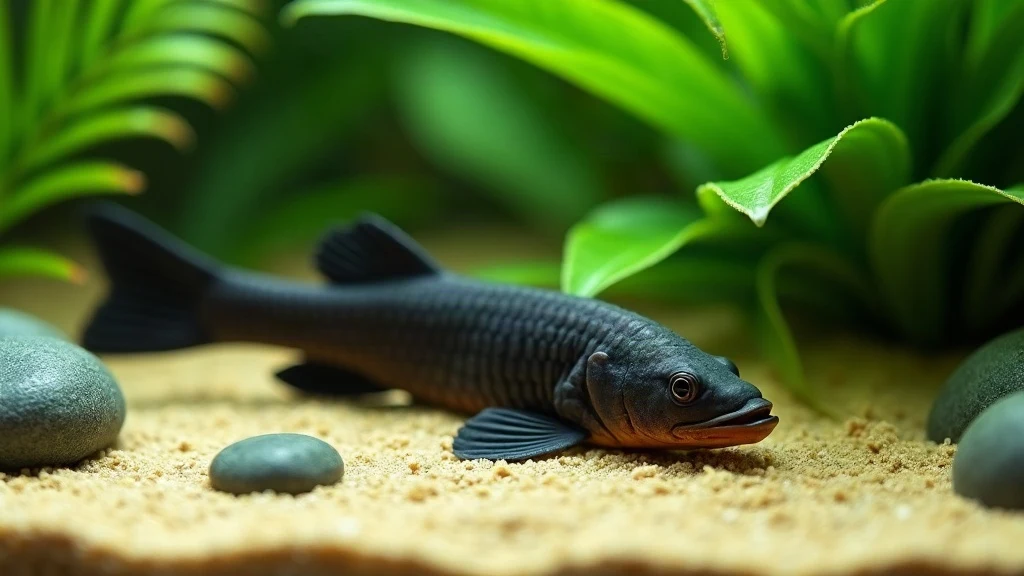
The black kuhli loach (Pangio oblonga) is a slender, eel-shaped bottom dweller with a solid dark brown to black body and a peaceful nature. It is also called the black loach or black coolie loach, and it belongs to the same genus as the more familiar banded kuhli loach. Breeding kuhli loach at home is challenging but possible when you give a small group the right tank setup, water parameters, and seasonal cues.
| Quick fact | Detail |
|---|---|
| Adult size | About 8 cm (3.1 in) |
| Minimum group | 5 to 6 fish |
| Minimum tank | 20 gallons for a group |
| Temperature | 75 to 82 F (24 to 28 C) |
| pH | 6.0 to 7.0 |
What Is a Black Kuhli Loach?
A black kuhli loach is a small, scaleless, nocturnal fish that lives on the bottom of slow-moving streams in Southeast Asia. According to Seriously Fish (accessed 2026), adult Pangio oblonga reach about 8 cm (3.1 in) in length. It uses tiny barbels around its mouth to search for food in sand and leaf litter. Because it is a social species, it should live in a group of at least five or six fish.
"This species is gregarious and should be kept in groups of at least five or six."
Seriously Fish, Pangio kuhlii species profile
If you already keep the similar species, see our black coolie loach care guide for daily maintenance tips. This guide focuses on breeding, while that article covers tankmates, feeding, and health.
How Big Do Full Grown Kuhli Loaches Get?
Full grown kuhli loaches, including the black kuhli loach, reach about 3 to 3.5 inches (8 to 9 cm). They are so thin that they look smaller than their length suggests. The body is rounded in front and tapers toward the tail, with small dorsal and anal fins set far back. A fish of this size needs a tank with length to swim, not a tall tank.
FishBase (accessed 2026) recognizes more than 30 described species in the genus Pangio. Most stay under 4 inches, which makes them suitable for nano and community tanks.
What Tank Size and Setup Do Black Kuhli Loaches Need?
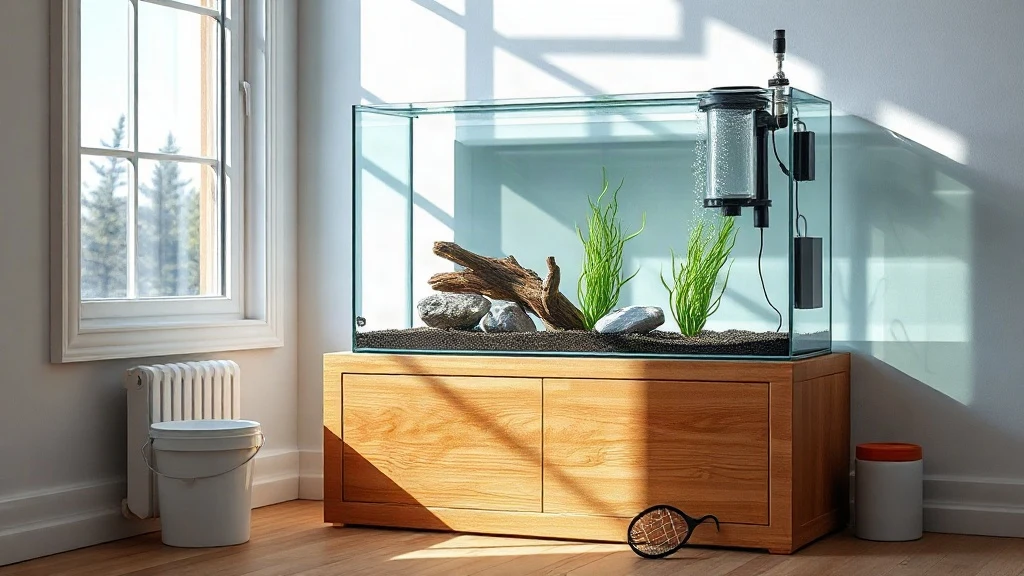
A group of five or six black kuhli loaches needs at least a 20 gallon long tank. The tank footprint matters more than the total volume because these fish patrol the bottom. Use fine sand substrate so they can burrow without damaging their barbels. Add driftwood, smooth rocks, caves, and dense plants such as java fern and anubias. Floating plants and dim lighting help them feel secure.
Black kuhli loaches can jump, so use a tight-fitting lid. A sponge filter or a filter with a pre-filter sponge protects fry later. If you are setting up a new tank, follow our freshwater aquarium setup guide for the correct cycling process. You can also browse the full Aquarium Care category for more maintenance advice.
What Water Parameters Do Black Kuhli Loaches Need for Breeding?
Black kuhli loaches prefer soft, slightly acidic water with a pH of 6.0 to 7.0 and a temperature of 75 to 82 F (24 to 28 C). For spawning, many breeders slowly raise the temperature to the low 80s F and perform large, cool water changes. This mimics the rainy season and triggers egg production. Keep ammonia and nitrite at zero and nitrate below 20 ppm. Use a gentle air stone to keep oxygen high.
How Do You Sex Black Kuhli Loaches?
Sexing black kuhli loaches is not easy, but mature females are thicker and rounder than males, especially when full of eggs. Look at the fish from above. A gravid female appears wider across the belly, while males stay slimmer. Condition a group of six or more loaches with frozen bloodworms, brine shrimp, and daphnia for several weeks before you expect spawning. Live foods are the strongest trigger for egg development.
How Does Black Kuhli Loach Spawning Work?
Black kuhli loach spawning is an egg-scattering event that usually happens at night or in the early morning. Males chase females through plants and moss, and females release dozens of sticky eggs that attach to leaves, spawning mops, or the filter sponge. A temperature drop followed by a slow rise, or a series of cool water changes, often starts the process. Remove the adults as soon as you see eggs, because they will eat them.
Breeding kuhli loach is easier in a dedicated breeding tank with a shallow water level, a bare bottom, and java moss or a spawning mop. Keep the tank dim and quiet during spawning.
How Do You Care for Black Kuhli Loach Eggs?
Black kuhli loach eggs are tiny, clear, and sticky. They usually hatch within one to two days at breeding temperature, so check the tank closely. Keep the water clean and add a mild antifungal product, such as methylene blue, to prevent fungus from spreading to healthy eggs. Do not perform large water changes while the eggs are developing. Small, slow water movements are enough.
How Do You Raise Black Kuhli Loach Fry?
Newly hatched black kuhli loach fry are extremely small and stay near the bottom or cling to plants. They use their yolk sac for the first few days, then need infusoria, vinegar eels, or liquid fry food. After about a week, add baby brine shrimp and microworms. Keep the grow-out tank dim, warm, and stable. Perform tiny water changes with aged water to avoid shocking the fry. They grow slowly and may take several months to reach 1 inch.
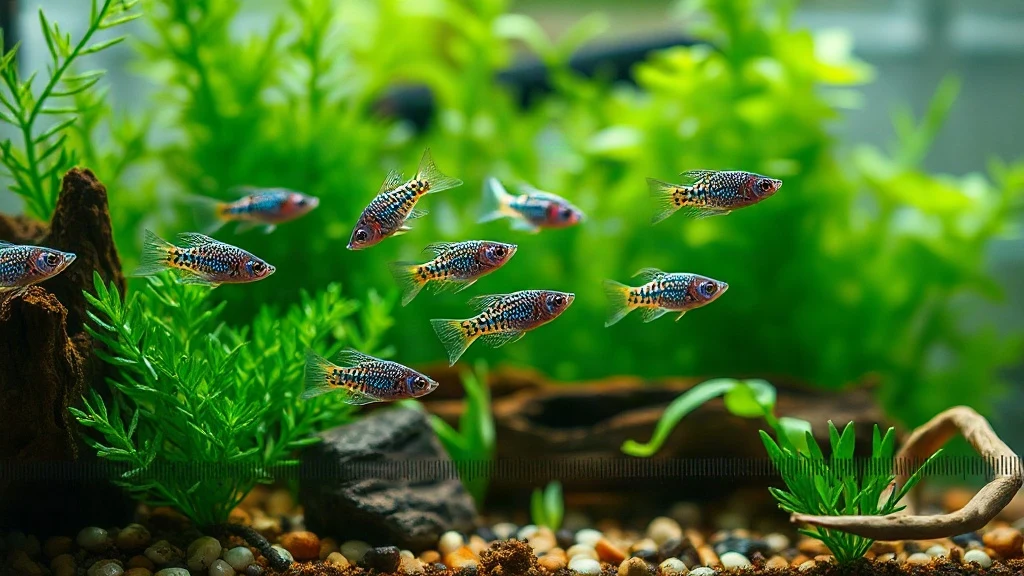
If you enjoy breeding small, peaceful fish, our celestial pearl danio size guide covers another compact species that stays small in a planted tank.
Black Kuhli Loach vs Golden Kuhli Loach vs Albino Kuhli Loach
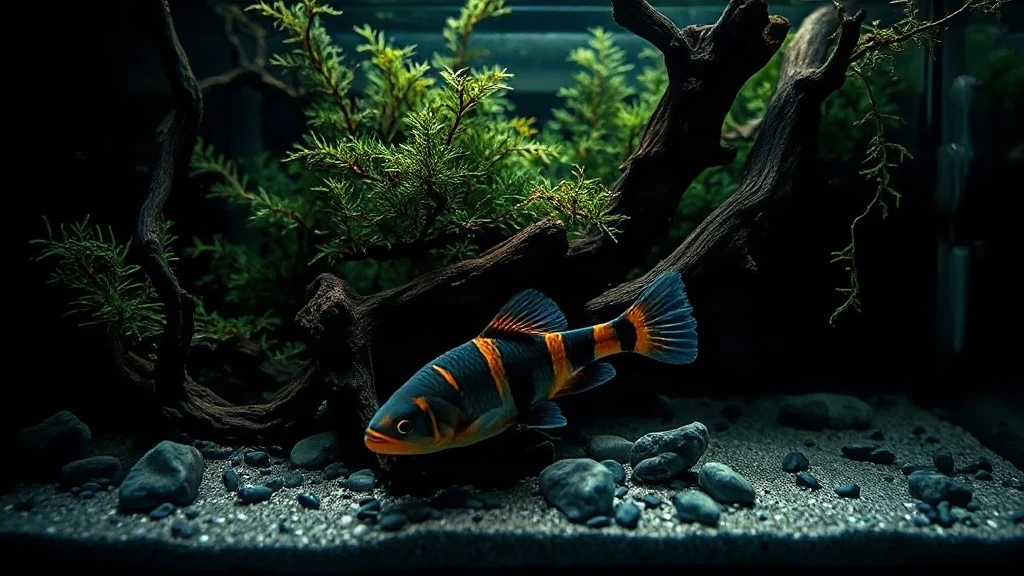
All kuhli loach varieties need the same general care, but their colors and patterns differ. The golden kuhli loach is a color morph of the banded kuhli loach, with a yellow to orange body and faint dark bands. The albino kuhli loach lacks pigment and has a pinkish white body with red eyes. The banded kuhli loach (Pangio kuhlii) is the classic striped form. Black kuhli loaches are the darkest of the group.
| Variety | Color pattern | Typical adult size | Care notes |
|---|---|---|---|
| Black kuhli loach (Pangio oblonga) | Solid dark brown to black | 3 to 3.5 inches | Same care as all kuhli loaches |
| Golden kuhli loach | Yellow to orange body with faint bands | 3 to 4 inches | Color morph of banded kuhli loach |
| Albino kuhli loach | Pinkish white with red eyes | 3 to 4 inches | Needs dim lighting and plenty of cover |
| Banded kuhli loach (Pangio kuhlii) | Peach body with dark vertical bands | 3 to 4 inches | The classic kuhli loach |
How Do You Keep a Black Kuhli Loach Healthy Long Term?
A black kuhli loach stays healthiest with a balanced diet and stable water. Offer sinking pellets, frozen bloodworms, brine shrimp, and occasional blanched vegetables. Feed after lights out, because these fish are most active at night. Because they are scaleless, they are more sensitive to medications, so treat diseases with half doses and always quarantine new fish.
Black Kuhli Loach FAQ
Are black kuhli loaches the same as black coolie loaches?
Yes. Black kuhli loach and black coolie loach are common names for Pangio oblonga. The word coolie is an older spelling of kuhli, and both names refer to the same fish.
How many black kuhli loaches should I keep together?
Keep at least five or six. They are social fish that become shy and stressed when kept alone. A group also displays more natural behavior and is more likely to breed.
What do black kuhli loaches eat?
They eat sinking pellets, frozen bloodworms, brine shrimp, daphnia, and small live foods. They also sift through sand for leftover food and microorganisms.
Do black kuhli loaches need a heater?
Yes. They are tropical fish and need a stable temperature of 75 to 82 F (24 to 28 C). A heater keeps the tank from dropping below this range at night.
Can black kuhli loaches live with other fish?
Yes. They are peaceful and do well with small, non-aggressive tankmates such as tetras, rasboras, gouramis, and other bottom dwellers. Avoid large or territorial fish that may bully them.
How long do black kuhli loaches live?
With good care, black kuhli loaches can live 5 to 10 years. Stable water, a varied diet, and plenty of hiding places are the main factors that support a long lifespan.
Next story
How Long Do Betta Fish Live? Lifespan and Care Guide 2026
how long do betta fish live Betta fish live 2 to 5 years on average. Learn what affects betta lifespan, common mistakes, and care tips to help yours live longer. Updated