Freshwater Aquarium Setup for Beginners 2026 (Complete Guide)
freshwater aquarium setup for beginners 2026 Learn how to set up a freshwater aquarium for beginners in 2026. Step-by-step guide on tank size, cycling, equipment, fish se
Setting up a freshwater aquarium for beginners in 2026 is easier than you think. With the right tank size, a proper nitrogen cycle, and beginner-friendly fish, you can create a thriving underwater world in about six to eight weeks. This guide walks you through every step, from choosing the tank to daily maintenance.
Related reading: Discover our full guide on How Long Do Betta Fish Live? Lifespan and Care Guide 2026.
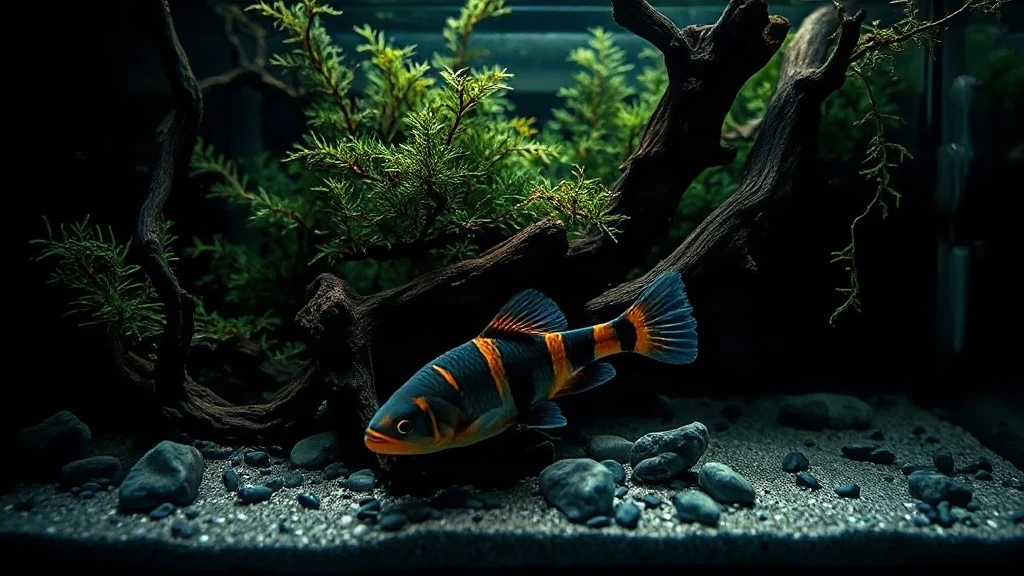
Related reading: Discover our full guide on Black Kuhli Loach: Breeding and Care Guide (2026).
Freshwater Aquarium Setup for Beginners 2026: The Complete Step-by-Step Process
The key to a successful freshwater aquarium is patience and preparation. Rushing the setup leads to cloudy water, sick fish, and frustration. Follow these seven steps in order, and you will have a healthy, stable tank that lasts for years.
Step 1: Choose the Right Tank Size
Bigger is always better for beginners. A larger water volume dilutes toxins and gives you more room for error. A 20-gallon tank is the ideal starting point, but a 10-gallon works if space is limited. Avoid nano tanks under 5 gallons unless you plan to keep only a single betta.
| Tank Size | Best For | Pros | Cons |
|---|---|---|---|
| 5 gallons | Single betta or shrimp | Small footprint, cheap | Hard to cycle, unstable water |
| 10 gallons | Small community (tetras, guppies) | Easy to manage, fits on a desk | Limited fish options |
| 20 gallons | Beginners, community tanks | Stable water, more fish choices | Needs a sturdy stand |
| 29 gallons | Larger communities, gouramis | Great variety, still manageable | Heavier, more maintenance |
| 40+ gallons | Advanced beginners, cichlids | Very stable, impressive display | Expensive, heavy |
If you already have a small tank, you can still succeed. Check out our 5 gallon pea puffer tank setup guide for a compact option.
Step 2: Pick the Best Location
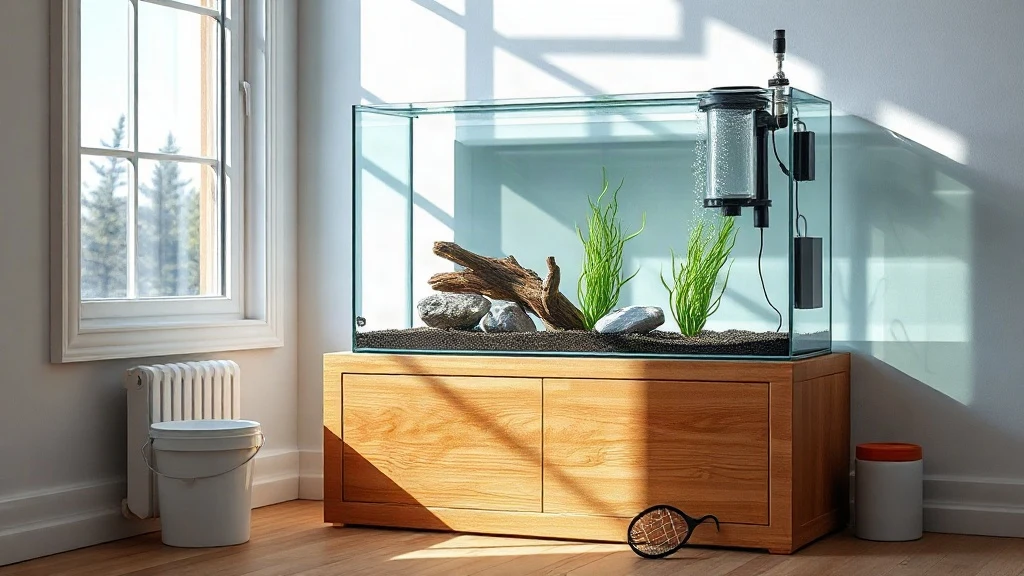
Place your tank away from direct sunlight, heating vents, and air conditioners. Sunlight causes algae blooms, and temperature swings stress fish. Choose a sturdy, level surface that can support the weight of the tank plus water. A 20-gallon tank weighs about 225 pounds when full.
Step 3: Select Essential Equipment
You need four pieces of equipment: a filter, a heater, a thermometer, and a light. For a 20-gallon tank, choose a hang-on-back filter rated for 30 gallons. A 100-watt heater keeps the water at 78°F. Use an adjustable heater with a thermometer to monitor temperature. LED lights are energy-efficient and support live plants.
Optional but helpful: a gravel vacuum, a bucket, a water conditioner, and a test kit. These tools make water changes and testing much easier.
Step 4: Add Substrate and Decor
Rinse the substrate thoroughly before adding it. Use 1 to 2 inches of gravel or sand. Add decorations like rocks, driftwood, and plastic or live plants. Live plants help absorb nitrates and provide hiding spots. Avoid sharp edges that can injure fish.
For a natural look, consider a black sand substrate and a piece of driftwood. If you prefer a low-maintenance setup, use a few hardy plants like Java fern and Anubias.
Step 5: Cycle Your Aquarium Before Adding Fish
The nitrogen cycle is the most important step. Beneficial bacteria convert toxic ammonia into nitrite, then into less harmful nitrate. This process takes 4 to 8 weeks. You can speed it up with a bacterial starter product or by adding a pinch of fish food.
Test the water every few days. When ammonia and nitrite read 0 ppm and nitrate is below 20 ppm, your tank is cycled. Never add fish before the cycle is complete. For a detailed explanation, read Aqueon's nitrogen cycle guide.
Step 6: Choose Beginner-Friendly Fish
Start with hardy, peaceful fish that tolerate a range of water conditions. Add fish slowly, only 2 or 3 at a time, to avoid overloading the filter. Quarantine new fish for two weeks if possible.
| Fish | Size | Minimum Tank | Notes |
|---|---|---|---|
| Betta | 2.5 inches | 5 gallons | Keep alone or with peaceful tankmates |
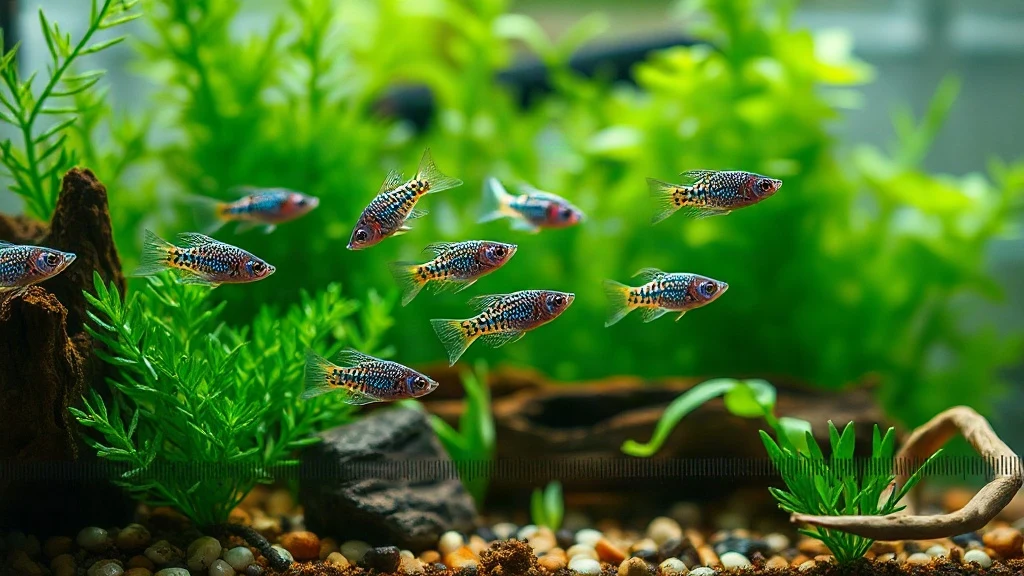
| Neon Tetra | 1.5 inches | 10 gallons | School of 6 or more |
| Guppy | 2 inches | 10 gallons | Livebearer, easy to breed |
| Corydoras | 2.5 inches | 10 gallons | Bottom dweller, group of 3+ |
| Dwarf Gourami | 3.5 inches | 10 gallons | Peaceful, colorful |
| Platy | 2.5 inches | 10 gallons | Very hardy |
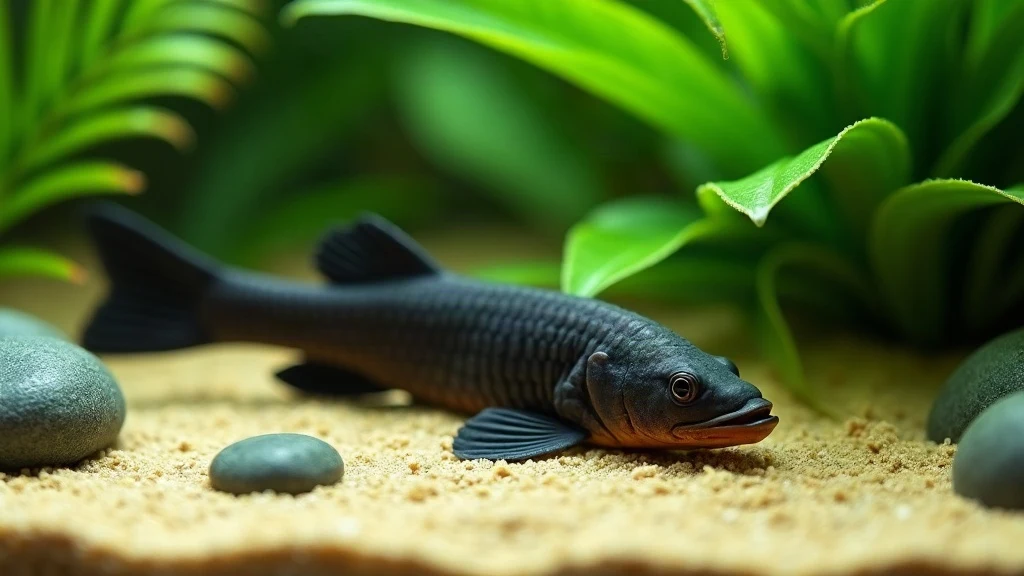
For more ideas, see our black coolie loach care guide if you want a unique bottom dweller.
Step 7: Perform Regular Maintenance
Once your tank is cycled and stocked, maintenance is simple. Do a 25% water change every week. Vacuum the gravel to remove waste. Clean the filter media monthly, but rinse it in old tank water to preserve beneficial bacteria. Test water weekly and keep a log.
Feed fish once or twice a day, only what they can eat in two minutes. Overfeeding is the number one cause of water quality problems.
Common Mistakes to Avoid
- Adding fish too quickly
- Overstocking the tank
- Using tap water without conditioner
- Cleaning the filter with soap
- Ignoring temperature fluctuations
- Placing the tank in direct sunlight
By avoiding these pitfalls, you will save time, money, and fish lives.
Frequently Asked Questions
How long does it take to cycle a new aquarium?
It typically takes 4 to 8 weeks. Using a bacterial starter can shorten it to 2 to 3 weeks, but always test the water before adding fish.
Can I use tap water for my freshwater aquarium?
Yes, but you must treat it with a water conditioner to remove chlorine and chloramine. Let the water sit for 24 hours if you prefer, but conditioner is safer.
How many fish can I put in a 20-gallon tank?
A general rule is one inch of fish per gallon. For a 20-gallon tank, that means about 20 inches of adult fish. However, this rule varies by species. Start with 6 to 8 small fish and add gradually.
Do I need live plants?
Live plants are not required, but they help maintain water quality and provide shelter. They also look natural. If you prefer low maintenance, choose hardy plants like Java fern or Anubias.
What is the best beginner fish?
Betta fish, neon tetras, guppies, and corydoras are all excellent choices. They are hardy, peaceful, and widely available. Avoid aggressive or sensitive species until you gain experience.
For more tips, explore our Aquarium Care category and the Fish Tank Guide Hub homepage.
Next story
How Long Do Betta Fish Live? Lifespan and Care Guide 2026
how long do betta fish live Betta fish live 2 to 5 years on average. Learn what affects betta lifespan, common mistakes, and care tips to help yours live longer. Updated