How Long Do Betta Fish Live? Lifespan and Care Guide 2026
how long do betta fish live Betta fish live 2 to 5 years on average. Learn what affects betta lifespan, common mistakes, and care tips to help yours live longer. Updated
How Long Do Betta Fish Live? The average lifespan of a pet betta fish is 2 to 5 years, with many fish living about 3 years in a properly heated, filtered aquarium.
- In a clean, heated tank of at least 5 gallons, bettas often live 4 to 5 years.
- In a small unfiltered bowl, fewer than 1 in 10 bettas reach age 2 because of poor water quality.
- Water temperature, diet, tank size, and genetics are the main factors that decide how long your betta lives.
Updated 2026. If you just brought home a Siamese fighting fish, one of the first questions you will ask is how long do betta fish live. The answer depends more on the owner than the fish. A betta living in a tiny vase may die within months, while the same species kept in a warm, filtered tank can become a five year companion.
This guide covers real betta lifespan expectations, the daily choices that shorten or extend those years, and the warning signs that your fish may be aging faster than it should.
How Long Do Betta Fish Live?
On average, betta fish live between 2 and 5 years in captivity. The commonly quoted range comes from the difference between poor care and ideal care. A betta in a clean, stable aquarium with a heater usually reaches 3 to 4 years, and well cared for individuals sometimes pass the five year mark.
Wild Betta splendens typically have shorter lives in nature because of predators, parasites, and seasonal droughts. In a protected home aquarium, the main limits become genetics and your maintenance routine. The length of time your fish stays healthy is not a fixed number written in its DNA.
| Care setup | Expected lifespan | What this means |
|---|---|---|
| Neglected small bowl | 6 to 12 months | Unfiltered water, no heater, ammonia buildup |
| Small filtered tank, 2.5 gallons | 1 to 2 years | Stable but cramped, water changes often missed |
| Heated and filtered 5 gallon | 2 to 4 years | Common well kept pet betta |
| Planted 10 gallon plus, excellent diet | 3 to 5 years | Best home aquarium setup |
| Exceptional individual with great genetics | 5 to 7 years or more | Rare, but documented by keepers |
According to the RSPCA, bettas are tropical fish that need warm, clean water to thrive. The same page notes that many bettas die early because owners keep them in bowls without filtration or heating.
What Factors Affect How Long Betta Fish Live?
Five factors control the speed at which a betta ages: water quality, temperature, tank size, diet, and genetics. The first four are entirely under your control, and improving any one of them adds months to your fish.
Water Quality
Poor water quality is the number one betta killer. Fish produce ammonia through their gills and waste, and in an unfiltered bowl ammonia quickly burns the gills and internal organs. A cycled filter and weekly partial water changes keep ammonia and nitrite at zero.
If you are new to maintaining a healthy environment, read our freshwater aquarium setup for beginners 2026 guide before adding a betta to a new tank.
Water Temperature
Bettas are tropical fish and need water between 78 and 80 degrees Fahrenheit. In a room temperature bowl, their metabolism slows, their immune system weakens, and they become prone to ich and fin rot. A small aquarium heater is one of the cheapest lifespan extensions you can buy.
Tank Size
Most experts recommend at least 5 gallons for a single betta. Larger water volume dilutes waste and keeps temperature stable. A 10 gallon planted tank is even better for the fish's long term health. The quick answer is yes, betta fish live longer in a larger tank because the environment stays far more stable.
Diet
Bettas are carnivorous and need a high protein pellet or frozen food such as bloodworms and brine shrimp. Overfeeding is more dangerous than underfeeding because uneaten food decays and spikes ammonia. Feed one or two pellets twice a day and fast the fish one day each week.
Genetics and Breeding History
Some pet store bettas come from high density breeding farms where inbreeding and stress shorten life. You cannot read a fish's genetic age, but a fish that was already sickly when bought will rarely reach old age even with perfect care. Choosing a thriving, active juvenile from a reputable source gives you a better starting point.
"The biggest mistake keepers make is treating bettas as vase plants. They are tropical fish with specific environmental needs, so when you meet those needs, four or five years is completely realistic."
As explained by Dr. Keller at the University of Illinois, good water quality and an appropriate enclosure matter more than any medicine you could add later.
Common Mistakes That Shorten a Betta Fish’s Life
Most early deaths in bettas do not come from disease. They come from a few setup errors that owners repeat again and again.
- Keeping the fish in a bowl or vase with no filter and no heater.
- Changing 100 percent of the water, which removes beneficial bacteria and causes temperature shock.
- Overfeeding with flakes that sink and rot before the betta eats them.
- Adding tankmates that nip the betta’s long fins and cause stress.
- Placing the tank in direct sunlight, which causes harmful algae and temperature swings.
- Using tap water without a dechlorinator.
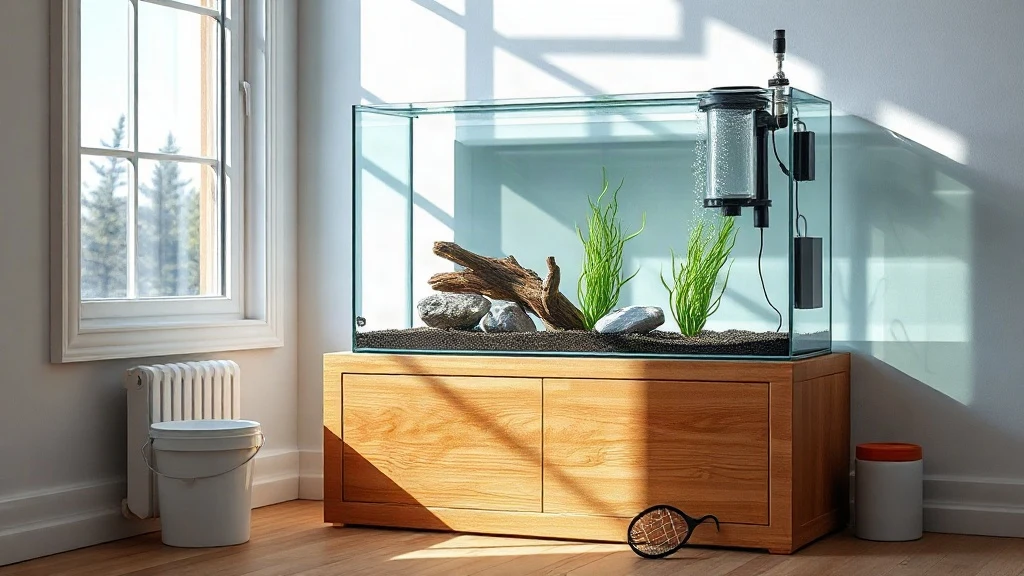
Avoiding these mistakes does not require expensive equipment. A simple glass tank, a sponge filter, and a 25 watt heater are enough to give your fish years of life.
How to Extend Your Betta Fish Lifespan
Follow this routine and you will give your betta the best chance to reach the upper end of the 2 to 5 year range.
- House your betta in a 5 gallon or larger aquarium with a lid.
- Install a gentle filter and complete the nitrogen cycle before adding the fish.
- Keep the water heater set to 78 or 79 degrees Fahrenheit.
- Do a 25 to 30 percent water change every week and vacuum the substrate.
- Test ammonia, nitrite, and nitrate weekly with a liquid test kit.
- Feed a varied carnivore diet and never leave uneaten food in the tank.
- Give the fish hiding spots and live or silk plants so it feels secure.
- Watch for early signs of disease such as clamped fins, white spots, or gasping at the surface.
When your tank is stable, also keep it away from strong drafts and loud vibrations. Bettas can sense their environment, and a calm tank helps their immune system stay strong.
Betta Fish Lifespan by Tank Setup
The table below compares how different housing choices directly affect the number of years your betta may live. This is a useful reference if you are deciding between a bowl and a real aquarium.
| Tank setup | Total volume | Typical lifespan | Best for a long lived betta? |
|---|---|---|---|
| Decorative fish bowl | 0.5 to 1 gallon | Under 1 year | No |
| Small critter keeper | 1 to 2 gallons | 1 to 2 years | No |
| Standard 5 gallon aquarium | 5 gallons | 2 to 4 years | Yes, with heater and filter |
| Planted 10 gallon | 10 gallons | 3 to 5 years | Yes |
| Large community tank | 20 gallons or more | 3 to 5 years | Yes, if tankmates are peaceful |
The greatest gain comes when you move a betta from an under 1 gallon container to a 5 gallon tank. The difference is not just water volume. Larger tanks are easier to keep cycled and you can maintain a stable heater setting, which directly slows the aging process.
Signs Your Betta May Be Nearing the End of Its Life
Even with perfect care, bettas eventually show signs of old age. Knowing these signs will help you avoid mistaking natural aging for a treatable disease.
- Loss of appetite or difficulty reaching the surface.
- Faded color that does not return after a water change.
- A curved spine or hunched back.
- Lethargy and long rest periods at the bottom.
- Drooping fins that are not caused by fin rot.
An older betta may also sleep more and react more slowly to food. If your fish is still eating and swimming a little, you can simply adjust its care to make its final months comfortable.
Frequently Asked Questions
Can a betta fish live in a bowl?
A betta can survive in a bowl for a few weeks, but it will rarely live longer than a year. Bowls hold too little water to dilute waste and cannot fit a reliable heater, so the fish slowly suffers from ammonia poisoning and temperature swings. The minimum ethical setup is a heated and filtered 5 gallon tank.
How long do betta fish live without food?
A healthy adult betta can go 7 to 14 days without food if it is in good condition and water quality is stable. This is because bettas can slow their metabolism and survive on body reserves. However, fasting for longer than two weeks weakens the immune system and should only happen when you are away on vacation.
Do male bettas live longer than females?
Males and females can live similar lifespans, but males are more commonly sold as adults and may already be past their first birthday in the store. Females are often kept together in sororities, which can cause stress and shorten life if the group is too small. Individual genetics and care matter more than sex.
How do I know if my betta fish is old?
As bettas age, their colors fade, their fins become ragged without signs of infection, and they develop a hump or curve near the back. Older fish also become less active and may rest on leaves for long periods. If these signs appear gradually in a fish you have owned for several years, it is likely natural aging rather than disease.
For more articles on keeping your aquarium healthy, visit our Aquarium Care category. You can also start from the Fish Tank Guide Hub homepage to explore species guides and setup tutorials.
Next story
Black Kuhli Loach: Breeding and Care Guide (2026)
Black kuhli loach breeding guide: tank setup, water parameters, sexing, spawning, egg care, and fry raising. Compare golden and albino varieties. Updated 2026.